NONSTOPENERGY

Quality assurance

Quality You Can Measure.

For Nonstop Energy, biomass is more than material that burns. It is an industrial fuel that must deliver usable energy while meeting the quality expectations of the facilities that depend on it.

Our approach

Three priorities behind our approach

Energy Performance
Power Plant Compatibility
Environmental Responsibility

For our processed almond wood biomass, our standard production targets are:

20%

Target Moisture

<4%

Target Ash

Verified

Energy Content Before Initial Shipment

Documented

Quality & Origin

Before our initial commercial shipment, we will conduct fuel-energy testing to verify the heating value and key characteristics of the biomass.

That is why we target

20%

moisture

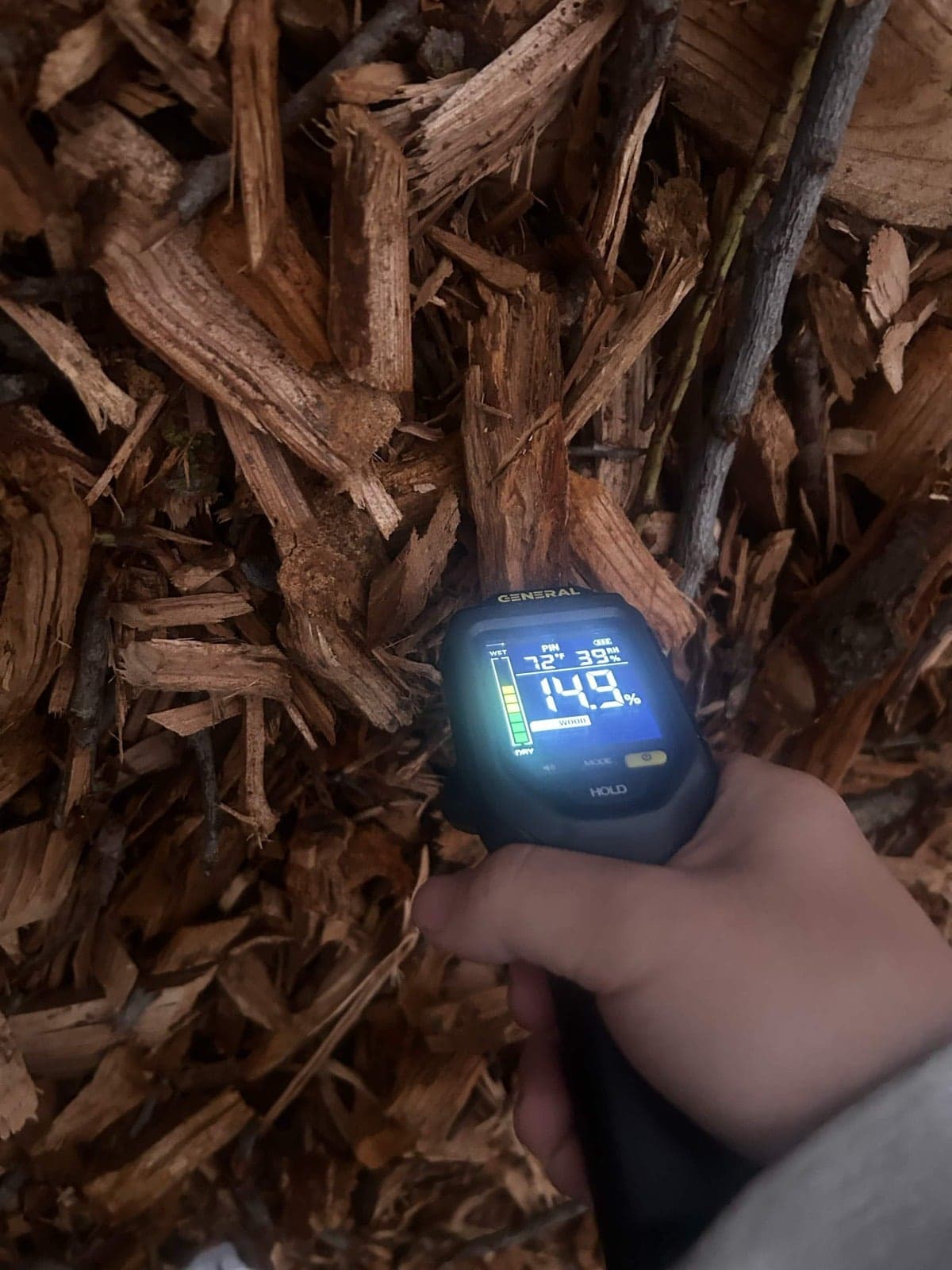
Moisture is verified through sampling and testing according to project requirements.

Handheld moisture meter reading almond wood chips in the field

On-site moisture testing of almond wood chips

Why moisture matters

More Wood. Less Water. More Usable Energy.

Moisture directly affects the amount of useful energy a buyer receives from each ton of biomass.

Energy must first be used to evaporate the water contained in the fuel before that energy can contribute to useful heat production.

Our goal is to provide biomass with controlled moisture so customers receive a more consistent fuel with better usable energy performance, transportation efficiency, and combustion characteristics.

Why ash matters

What Does Not Burn Matters Too.

Ash is the non-combustible material remaining after biomass is burned. Excessive ash can increase the amount of residue a facility must handle and can contribute to additional maintenance, deposits, and operational burden depending on the fuel composition and combustion system.

Maintaining low ash is important to us because biomass quality should not only be measured by how much energy the fuel produces. It should also consider how the fuel interacts with the facility using it.

Our target for processed almond wood biomass

<4%

ash

Our goal is to provide clean and consistent biomass that can:

  • Reduce unnecessary non-combustible material
  • Reduce ash-handling requirements
  • Help limit unwanted deposits and contaminants
  • Support efficient combustion
  • Support power plant operating reliability
  • Reduce unnecessary particulate burden
  • Support responsible air-quality management

Final plant performance and emissions depend on the specific combustion system, operating conditions, fuel characteristics, and emissions-control equipment.

Energy performance

We Want Our Biomass to Produce Energy. Not Just Meet a Size Requirement.

A biomass fuel may look acceptable while still performing differently during combustion. For that reason, we intend to verify the energy characteristics of our material before our first commercial shipment.

Fuel testing may include

  • Gross Calorific Value / Higher Heating Value
  • Net Calorific Value / Lower Heating Value
  • Moisture
  • Ash
  • Sulfur
  • Chlorine
  • Nitrogen
  • Bulk Density
  • Additional fuel characteristics required by the buyer

Laboratory results allow both Nonstop Energy and the customer to better understand the actual fuel being delivered.

Clean material matters

Biomass Should Be Biomass.

Our quality process is designed to minimize unwanted foreign material introduced during harvesting, collection, processing, storage, or transportation.

Soil
Rocks
Metal
Plastic
Excessive dirt
Other foreign material

Processing, screening, visual inspection, sampling, and laboratory testing may be used depending on the requirements of the project.

Our goal is simple

Deliver the biomass the customer ordered.

Not unnecessary material that adds weight without adding useful energy.

Specification-controlled supply

Parameters set with the buyer, before shipment

Each customer and combustion facility may have different fuel requirements. Rather than assuming that one specification fits every project, we work with buyers to establish the appropriate parameters before commercial shipment. Quality parameters may include:

Moisture

Target ≤20%

Ash

Target <4%

Heating Value

Verified through laboratory testing

Particle Size

Processed and screened according to project requirements

Fines

Controlled according to buyer specifications

Foreign Material

Screening and inspection procedures used to minimize unwanted contaminants

Weight

Documented through applicable scale or shipment records

Chemical Characteristics

Testing available according to project requirements

Inspection & verification

Quality should be supported by evidence

Depending on the commercial agreement, our verification process may include:

  • Representative Sampling
  • Moisture Testing
  • Ash Testing
  • Heating Value / Energy Testing
  • Particle Size Verification
  • Weight Verification
  • Laboratory Analysis
  • Certificate of Analysis
  • Third-Party Inspection
  • Pre-Shipment Inspection
  • Photographic Documentation
  • Loading Documentation
  • Retained Reference Samples
  • Buyer Inspection when arranged

Testing requirements and acceptance criteria are established according to the individual project and purchase agreement.

Responsible sourcing & traceability

Knowing where biomass comes from

Knowing where biomass comes from is an important part of understanding the product. Our suppliers can provide supporting sourcing documentation, including FSC-related documentation where applicable.

Supporting documentation is provided according to the product, supplier, transaction, and buyer requirements.

We work to maintain records that can help identify

  • Material origin
  • Agricultural source
  • Product type
  • Processing location
  • Production or shipment lot
  • Testing information
  • Weight information
  • Loading information
  • Shipment destination

Documentation for procurement & compliance

The Product and the Paperwork Should Match.

International biomass transactions require more than quality material. Procurement, logistics, customs, environmental, agricultural, and compliance teams may each require different documentation. Depending on the shipment, destination, supplier, and buyer requirements, Nonstop Energy can coordinate or provide applicable documentation including:

Commercial Documentation

  • Commercial Invoice
  • Packing List
  • Purchase or Sales Documentation
  • Product Specification Sheet
  • Weight Documentation
  • Scale Tickets
  • Shipment or Lot Identification

Origin & Sourcing Documentation

  • Certificate of Origin
  • Supplier Origin Documentation
  • Agricultural Source Information
  • Traceability Records
  • Applicable Supplier FSC Documentation
  • Supporting Sustainability Documentation when available

Quality Documentation

  • Laboratory Test Report
  • Photographic Inspection Records

Export & Transportation Documentation

  • Packing List
  • Bill of Lading
  • Container Information
  • Weight Records
  • Export Documentation
  • Customs Documentation
  • Shipping Instructions

Agricultural & Destination Documentation

  • Phytosanitary Certificate when required
  • Origin of Certification

Additional documentation can be coordinated according to the requirements of the customer and destination country.

Discuss your requirements

Built Around the Power Plant

Our responsibility does not end when biomass is processed.

We care about what happens when that material reaches the customer. We want our biomass to:

  • Deliver useful energy.
  • Meet agreed quality specifications.
  • Support reliable power plant operation.
  • Minimize unnecessary contaminants and ash.
  • Support responsible emissions management.
  • Provide the documentation needed to understand and verify the product.

Because reliable energy begins with reliable fuel.

Quality Fuel. Documented Supply. Nonstop Energy.

Request a Quote